
- Employer Resources
- |
- Last Updated: December 26, 2025

How to Create a Veterinary Mentoring Program for Your Practice
High turnover and burnout are persistent challenges in the veterinary field. While competitive salaries and comprehensive veterinary employee benefits are crucial, creating a supportive work environment is equally important for retention.
A structured mentoring program fosters professional growth, improves job satisfaction, and builds a more cohesive team.
Implementing a formal veterinary mentoring program provides new hires and less experienced staff with guidance from seasoned professionals. This support system helps them navigate the complexities of their roles, develop new skills, and feel more connected to the practice.
For mentors, it’s an opportunity to share their knowledge, develop leadership skills, and make a meaningful impact on their colleagues’ careers.
This guide will walk you through the benefits of mentorship in a veterinary setting and provide a step-by-step process for creating a program that strengthens your team and enhances patient care.
Why Your Practice Needs a Mentoring Program
A well-designed mentoring program offers significant advantages that extend beyond individual career development. It creates a positive feedback loop that benefits the entire practice.
- Improved Job Satisfaction and Retention: When employees receive consistent support and have clear career paths for growth, their job satisfaction increases. This is particularly important for new graduates who may feel overwhelmed. A mentor can provide the encouragement and practical advice needed to build confidence, which in turn leads to higher retention rates. A supportive culture is a key factor in preventing burnout, a prevalent issue in the veterinary industry.
- Better Patient Care: Mentoring ensures that best practices and high standards of care are passed down through your team. Mentees learn clinical skills, communication techniques, and problem-solving strategies from experienced practitioners. This consistency in training and knowledge-sharing directly translates to better outcomes for your patients.
- Enhanced Team Cohesion: A veterinary mentoring program breaks down silos and fosters stronger relationships among team members. It creates a collaborative atmosphere where everyone feels comfortable asking for help and sharing their expertise. This sense of community is vital for navigating the daily pressures of a busy veterinary practice and is key to knowing how to build an effective veterinary team.
How to Build Your Mentoring Program in 4 Steps
Building and launching a successful program requires planning and a clear understanding of your team’s needs. Follow these steps to build a framework that works for your practice.
1. Define Your Goals and Objectives
Start by identifying what you want to achieve with your program. Are you looking to improve the onboarding process for new hires, develop future leaders, or reduce turnover among veterinary technicians? Your goals will shape the structure and focus of the program.
Clear objectives could include:
- Increasing the confidence of new veterinarians in their first six months.
- Improving specific skills across the technician team.
- Fostering a stronger sense of community within the practice.
- Decreasing employee turnover by 15% within the first year.
2. Match Mentors and Mentees
The success of your program relies on creating the right mentor-mentee pairings. Consider personality, communication styles, career interests, and professional experience. While it may seem natural to pair a new vet with a senior vet, also consider cross-functional pairings, like an experienced technician mentoring a new receptionist on client communication, or even reverse mentorships for fresh perspectives.
You can use a formal application process where potential mentors and mentees express their interests and goals. This information will help you make more intentional and effective matches.
3. Establish Guidelines and Expectations
To ensure a smooth and productive experience, establish clear guidelines for everyone involved. This includes defining roles, responsibilities, and the expected time commitment.
Outline key expectations:
- Confidentiality: Conversations between mentors and mentees should remain private.
- Frequency of Meetings: Suggest a regular meeting schedule, such as weekly or bi-weekly check-ins.
- Communication: Define the best ways for pairs to communicate (e.g., in-person meetings, phone calls, or emails).
- Goal Setting: Encourage pairs to set specific, measurable goals for their time together.
4. Provide Training for Mentors
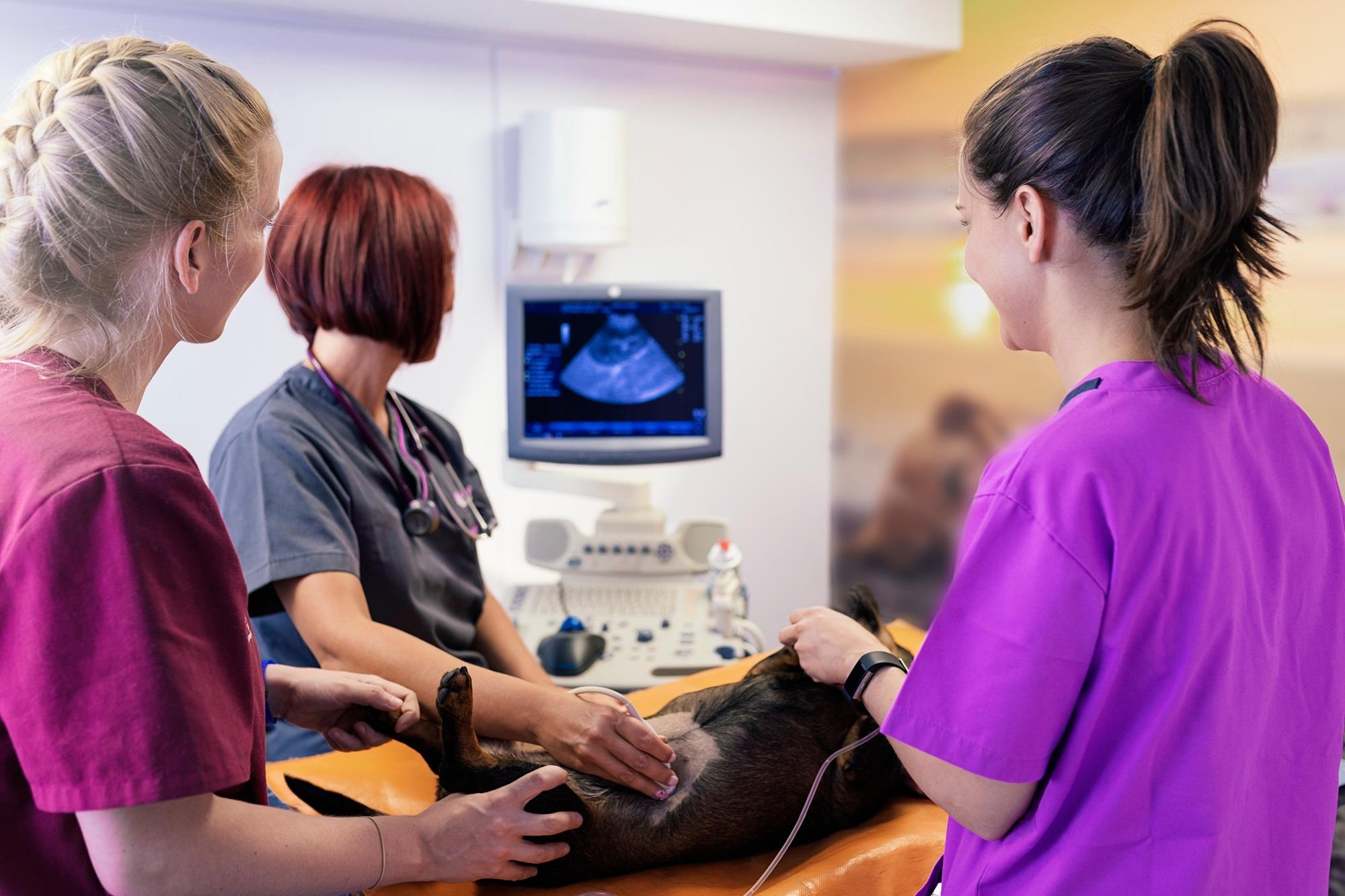
Being a great veterinarian doesn’t automatically make someone a great mentor. Provide your mentors with training to equip them with the necessary skills. This is a critical component of veterinary team training.
Topics for mentor training could include:
- Active listening and effective communication
- How to provide constructive feedback
- Setting boundaries and managing expectations
- Guiding mentees in setting and achieving their goals
Providing this training shows you value your mentors’ contributions and are invested in their development as leaders.
Need to Hire Qualified Vet Pros?
Create Your Account Today

We Value Your Privacy
Key Activities for Your Veterinary Mentoring Program
A mentoring program should include a mix of structured and informal activities to keep participants engaged.
- Regular Meetings: These are the foundation of the relationship. They provide a dedicated time for mentees to ask questions, discuss challenges, and receive guidance.
- Shadowing: Allow mentees to shadow their mentors during appointments, procedures, or client interactions. This provides invaluable real-world learning opportunities.
- Feedback Sessions: Schedule formal feedback sessions where mentors can discuss a mentee’s progress and identify areas for improvement. This helps ensure that the mentee is actively developing their skills.
Measuring the Success of Your Veterinary Mentoring Program
To understand the impact of your veterinary mentoring program, you need to track its success. Use a combination of qualitative and quantitative data.
- Employee Retention Rates: Compare turnover rates before and after implementing the program. A decrease in turnover, especially among new hires, is a strong indicator of success.
- Performance Improvements: Track improvements in clinical skills, client communication, and overall job performance through regular reviews.
- Team Satisfaction: Use anonymous surveys to gather feedback from mentors, mentees, and the wider team. Ask about their experiences, the program’s effectiveness, and suggestions for improvement. This feedback is essential for refining your program over time.
Build a Stronger Team Through Mentorship
A veterinary mentoring program is an investment in your team and the future of your practice. By providing structured support and fostering a culture of continuous learning, you can improve job satisfaction, enhance patient care, and build a resilient, unified team ready to face the unique challenges of the veterinary profession. Taking the time to develop a thoughtful program will pay dividends in employee loyalty and your overall success.
Explore iHireVeterinary’s Employer Resource Center for more advice on hiring, retention, engagement, and beyond.
RELATED RESOURCES



Hiring? You're in the Right Place.
- Reach unique talent: 51% of our candidates aren't using other job boards
- Connect your ATS and get 6x more applications with iHire's apply process
- Get matching candidate resumes sent straight to your inbox
We Value Your Privacy